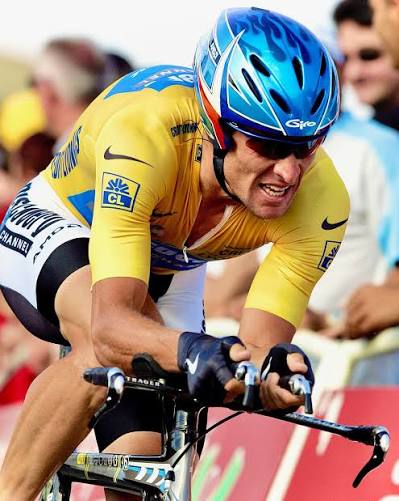
Cycling fans and sports historians alike often wonder: what would professional cycling have looked like if Lance Armstrong had never faced suspension? The seven-time Tour de France winner’s fall from grace in the wake of doping allegations reshaped the sport forever. But imagining an alternate universe where Armstrong’s career remained untarnished opens the door to fascinating “what ifs” and tantalizing possibilities.
In this parallel cycling world, Armstrong continued his dominance in the late 2000s and early 2010s, cementing his status as one of the most legendary figures in sports history. Without the shadow of suspension hanging over him, sponsorships would have flowed uninterrupted, providing not only personal fortune but also major investments in team infrastructure and development programs. The ripple effect on professional cycling would have been profound. Teams might have enjoyed greater financial stability, allowing for better training facilities, scouting networks, and cutting-edge technology that could have pushed the sport into an entirely new era.
Fans, too, would have experienced a very different relationship with Armstrong. Instead of feeling betrayed by scandal, his already massive global following would have grown even larger, inspiring an entire generation of cyclists. Children dreaming of Tour de France glory might have modeled their careers directly after Armstrong’s achievements, pushing the sport to new heights of competitiveness and international appeal. Cycling could have seen a surge in youth participation and fan engagement, rivaling other major sports around the world.
From a competitive standpoint, Armstrong’s uninterrupted career would have rewritten the record books. With no suspension to pause his streak, many speculate he could have achieved eight or even nine Tour de France victories, setting a benchmark that may never be matched. His rivals, meanwhile, would have been forced to step up to unprecedented levels of performance. Legends like Jan Ullrich, Alberto Contador, and Andy Schleck might have been remembered not only for their own victories but for their duels with an Armstrong at the peak of his powers.
The international landscape of cycling would also have looked dramatically different. Armstrong’s prominence brought attention to American cycling, a sport traditionally dominated by Europeans. In a world without his suspension, the U.S. might have become a more permanent powerhouse in professional cycling, producing more world-class riders and drawing greater media attention to races outside Europe. The global calendar could have expanded, with more high-profile events held in North America, shifting the balance of power in the sport.
Of course, even in this imagined universe, Armstrong’s story would not have been without controversy. Questions about ethics and doping were part of the broader context of professional cycling at the time. But without formal suspension, the narrative would have focused more on his athletic brilliance and inspirational story of overcoming cancer to dominate one of the world’s toughest sports. In essence, Armstrong’s legend might have grown even larger, untarnished by scandal, remembered solely for his achievements and resilience.
While reality took a very different path, imagining a cycling universe where Lance Armstrong never faced suspension underscores the impact one athlete can have on an entire sport. It is a reminder of the thin line between greatness and controversy, and how history often hinges on pivotal moments. In this alternate world, Armstrong remains the unchallenged hero of cycling—a figure whose victories, influence, and legacy continue to shape the sport in ways we can only dream of.
In the end, fans may never know what could have been. But the “what if” scenario serves as a fascinating lens through which to appreciate both Armstrong’s undeniable talent and the fragile, complex nature of professional cycling. Even in imagination, Lance Armstrong’s legend rides on, undefeated and monumental.