In a shocking development that has sent ripples throughout the cycling world, the Union Cycliste Internationale (UCI) has officially invited former professional cyclist Lance Armstrong to formally revisit his long-standing doping case, raising the possibility of reinstating the seven Tour de France titles he lost in 2012.
The announcement came earlier today in a press conference held at the UCI headquarters in Aigle, Switzerland, where officials confirmed that Armstrong has been formally asked to provide new evidence and testimony in what the governing body is calling “an unprecedented review process.” UCI President, Marc Désiré, described the move as “a necessary step to ensure fairness, transparency, and the integrity of cycling’s history.”
“Cycling, like all sports, evolves, and new evidence and perspectives can emerge even decades later,” Désiré said. “We believe it is important to give every athlete the opportunity to present their side, especially when it concerns the most storied achievements in our sport.”
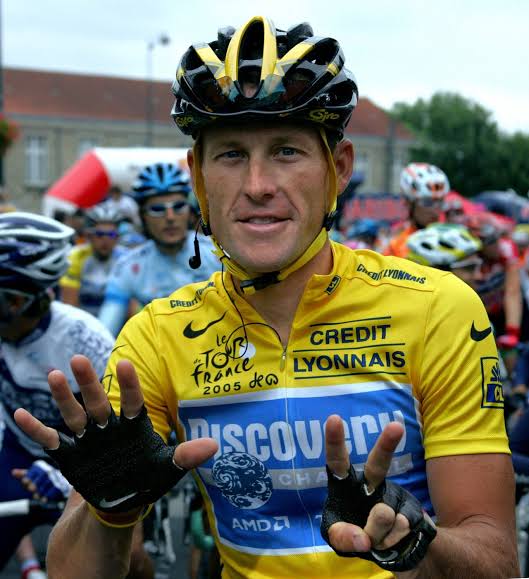
Armstrong, who dominated the Tour de France from 1999 to 2005, was stripped of his titles following revelations of systematic doping revealed by the United States Anti-Doping Agency (USADA). For years, the seven-time Tour winner had been both vilified and celebrated, his story entwined with one of the most controversial chapters in cycling history.
The UCI’s invitation comes after months of speculation and several leaks suggesting that new scientific analyses and testimony from former teammates could potentially shed new light on Armstrong’s case. While details remain confidential, insiders hint that the new review could challenge some of the conclusions previously reached by anti-doping authorities.
Lance Armstrong, who has largely stayed out of the public eye in recent years, responded in a brief statement through his spokesperson: “I am aware of the UCI’s invitation. I will carefully consider it and, if appropriate, engage fully with the process. My focus has always been on racing clean and honoring the sport I love.”
The cycling community reacted with a mixture of astonishment, skepticism, and cautious optimism. Former teammates, including Floyd Landis and George Hincapie, have expressed surprise, with some welcoming the chance for closure, while others warned that the move could reopen old wounds.
“It’s a complicated situation,” said Landis, himself a former Tour de France winner implicated in doping scandals. “Cycling has a history of mistakes, and this could be a chance to set the record straight—or it could stir up a lot of controversy.”
Fans have also taken to social media in droves, divided between those who believe Armstrong deserves a second chance and those who feel the original sanctions should remain. Hashtags such as #ArmstrongReturns and #CleanCyclingNow have been trending worldwide since the announcement.
Legal experts suggest the process could take several months, if not longer, with multiple hearings, evidence submissions, and scientific reviews. Any decision by the UCI could have far-reaching implications, not just for Armstrong but for the sport’s credibility and historical records.
As cycling braces for what may become one of the most talked-about developments in its history, one thing is clear: the story of Lance Armstrong is far from over. Whether this review will end in the restoration of his legendary Tour titles or serve as a cautionary tale for the modern era of sports integrity, the world will be watching closely.
The UCI has promised regular updates as the review process progresses, signaling that the next few months could reshape the narrative of professional cycling and redefine one of its most infamous chapters.